«Наші дослідження екзокомет просуваються дуже повільно», — каже Дар’я Добричева, астрофізикиня Київської обсерваторії. «Наш аспірант, який є рушійною силою цього проєкту, пішов на фронт у перший же день війни».
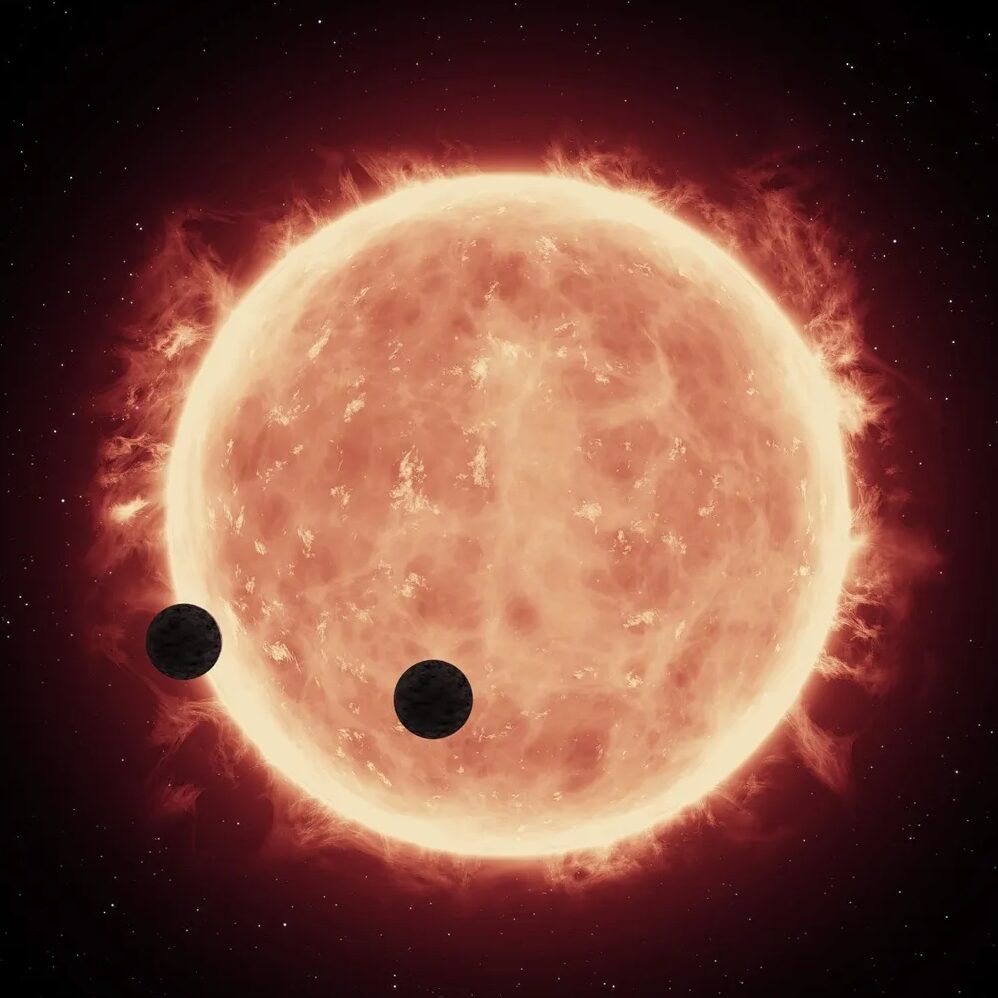
Екзокомети — віддалені комети, що обертаються навколо зірок, інших ніж Сонце, — дають підказки про те, як формуються планетні системи. Їх ще важче виявити, ніж екзопланети: їхні хвости ледь помітно спотворюють світло зірок. Команда Добричевої намагається відстежити ці особливості в даних космічного телескопа TESS NASA.
З початку війни багато комет залишаються невиявленими. Згаданий аспірант, надзвичайно талановитий молодий дослідник, був провідним програмістом проекту. «Навіть з фронту він допомагав нам налагоджувати код», — каже Добричева. «До Україна має давні традиції в галузі астрономії та космічних технологій. Країна виховала покоління інструментальних конструкторів і теоретиків та відіграла провідну роль у низькочастотній радіоастрономії. Обсерваторії в Києві, Харкові, Львові та Одесі вже в радянські часи були провідними установами, що мали власні телескопи та навчальні програми.
Війна залишила глибокі шрами на цих установах. Деякі обсерваторії знаходяться на окупованій Росією території, інші постраждали від обстрілів. Десятки дослідників покинули свої інститути — одні, щоб воювати, інші, щоб знайти безпеку в інших частинах Європи. Проте робота триває: іноді буквально під землею, іноді за допомогою генераторів, іноді за підтримки міжнародної астрономічної спільноти.
У червні понад двадцять представників українських астрономічних інститутів зібралися в Лейдені, в Нідерландах, далеко від лінії фронту. Вони працювали над довгостроковою стратегією для майбутнього своєї галузі – не тільки після війни, але й під час неї. Зустріч була ініціативою астрономів Педро Руссо, голови групи «Астрономія та суспільство», та Катерини Францевої, координаторки Європейського регіонального офісу астрономії для розвитку. Францева, яка захистила докторську дисертацію в Нідерландах, стала мостом між своїми співвітчизниками та європейською астрономічною спільнотою. «Я хотіла зробити щось корисне для своєї країни, — каже вона, — і зрозуміла, що саме так я можу бути найбільш цінною».
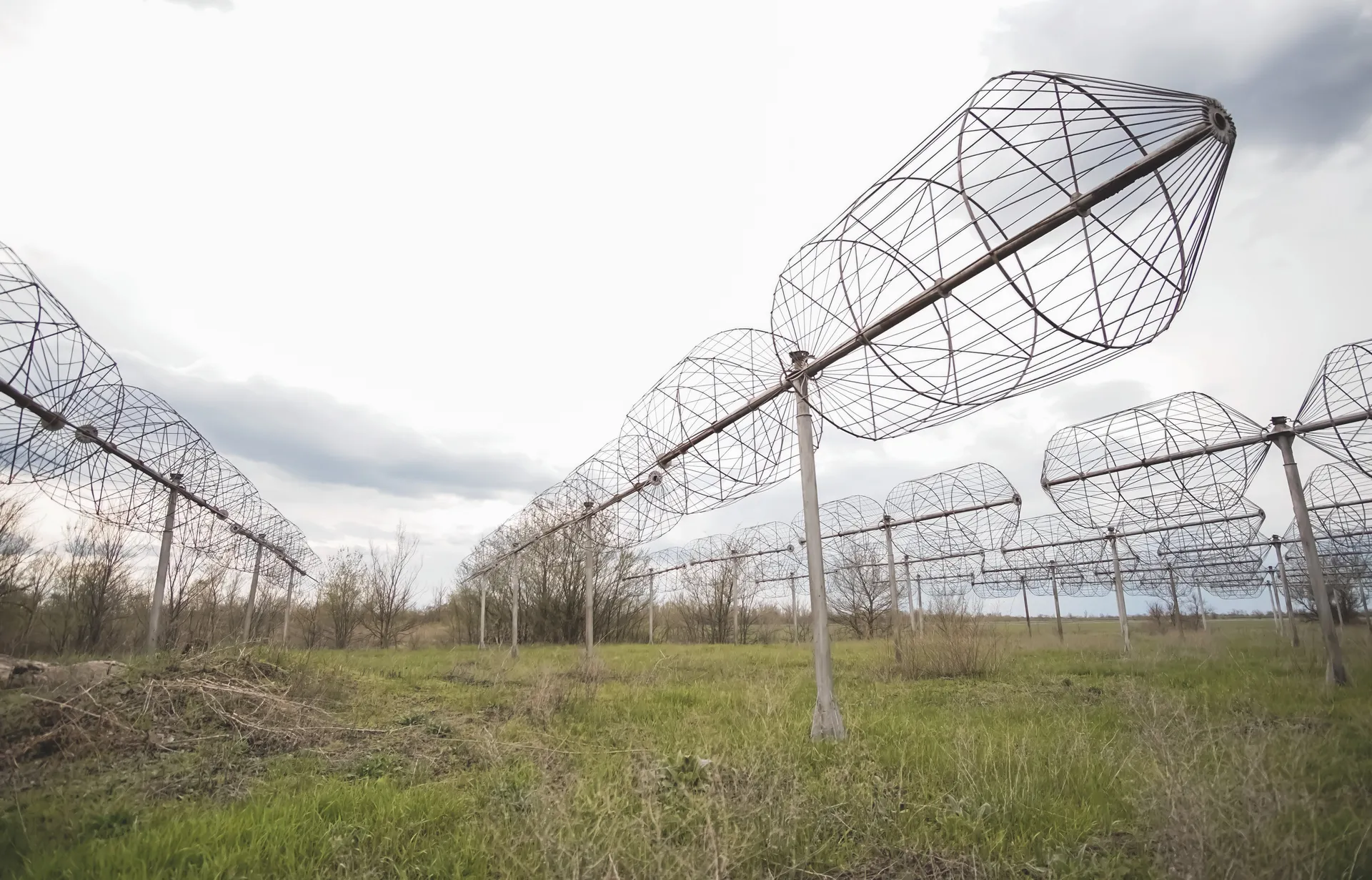
Нещодавня стаття в журналі Nature Astronomy, опублікована під керівництвом наукового журналіста та дослідника Даніло Альбергарія, описує стан української астрономії під час війни. Вона не тільки каталогізує збитки — від розграбованих лабораторій до втрачених даних досліджень — але й показує стійкість астрономів країни. Незважаючи на те, що з 2020 року кількість молодих дослідників зменшилася більш ніж на 40 відсотків, міжнародна співпраця пожвавилася. Під час написання статті з України постійно надходили оновлення: «Використайте інше фото — цю антену вже відремонтували».
Один із співавторів, В’ячеслав Захаренко, директор Інституту радіоастрономії в Харкові – одному з найбільш постраждалих регіонів – описує, як його команда відновлює обладнання. Відомий радіотелескоп УТР-2, один із найстаріших і найбільших у світі, був сильно пошкоджений, але інші об’єкти частково знову працюють. «Наші радіотелескопи – це національне надбання, – каже він. – Насправді, це європейське надбання». Завдяки благодійним допомозі, зараз є більше ресурсів для ремонту, але бракує кваліфікованого персоналу. Багато колег поїхали, тому важко відновлювати команди. Проте вони продовжують працювати, каже він, знизуючи плечима, – над наукою і відновленням. «У нас є тільки одне життя».
«Телескопи можна відновити», — каже Ірина Вавілова, завідувачка кафедри позагалактичної астрономії в Києві та член Національної академії наук. «Люди та співпраця є більш вразливими». Вона бачить, як українська наука адаптується до нової реальності — переходить від великих, дорогих інструментів до менших, гнучких проектів, які іноді мають цивільне або військове застосування. Багато молодих дослідників переходять до науки про дані, ІТ або досліджень дронів. «Чотири роки тому ніхто не міг уявити, що дрони стануть такою важливою галуззю досліджень. Сподіваємося, що вони знайдуть і мирне застосування».
Водночас Вавілова працює над зміцненням зв’язків з європейськими інституціями, зокрема з обсерваторіями на Канарських островах та мережею LOFAR, якою керує нідерландський інститут радіоастрономії ASTRON. «Як співав Фредді Меркьюрі: шоу має продовжуватися. Для нас це означає, що наука має продовжуватися».
Добричева виявляє таку ж рішучість. Під час нашої відеоконференції в Києві раптово лунає сирена повітряної тривоги. Вона поглядає на свій телефон – додаток не показує негайної небезпеки. «Якби ми ховалися в бомбосховище при кожній тривозі, життя зупинилося б», – каже вона. «Ми з чоловіком змирилися з тим, що сьогодні або завтра хтось із нас або хтось із наших близьких може померти, але ми мусимо жити далі, хоч як би це було важко. Поки це стосується тільки мене, я можу з цим впоратися, але якби у мене були діти, я не впевнена, що змогла б. Можливо, тоді я пішла б до бомбосховища».
Францева визнає це поєднання стійкості та фаталізму. «Люди обережно ставляться до довгострокових планів», – каже вона. Українці думають про дні, іноді тижні – як вижити сьогодні, що робити завтра. Проте вона сподівається, що за п’ять років українська астрономія стане сильнішою, більш згуртованою, з тіснішими зв’язками з Європою та новим поколінням, яке залишиться: з гідною зарплатою, сучасними приміщеннями та міжнародними проектами.
І навіть у воєнний час, додає вона, астрономія зберігає своє значення. «Астрономія нагадує нам про великі питання – звідки ми, чому ми тут, що нас оточує. Люди завжди будуть дивитись на небо із захопленням».
Even in wartime, Ukrainian astronomers keep looking up
Young researchers serve at the front, observatories are damaged and the power supply is unstable — yet for Ukrainian astronomers, one principle stands: “The science must go on.”
by Lucas Ellerbroek – NRC, November 8, 2025
“Our research on exocomets is progressing only slowly,” says Daria Dobrycheva, astrophysicist at the Kyiv Observatory. “Our PhD student, who is the driving force behind the project, went to the front on the very first day of the war.”
Exocomets – distant comets orbiting stars other than the Sun – offer clues to how planetary systems form. They are even harder to detect than exoplanets: their tails subtly distort the starlight. Dobrycheva’s team is trying to trace these signatures in data from NASA’s TESS space telescope.
Since the war began, many comets remain undiscovered. The PhD student in question, an exceptionally talented young researcher, was the project’s lead programmer. “Even from the front, he helped us debug the code,” says Dobrycheva. “Before the invasion, he was preparing to defend his PhD – now he’s defending our country.”
Ukraine has a long tradition in astronomy and space technology. The country produced generations of instrument builders and theorists and played a pioneering role in low-frequency radio astronomy. Observatories in Kyiv, Kharkiv, Lviv and Odesa were already leading institutions in Soviet times, with their own telescopes and training programs.
A strategy for the future
The war has left deep scars on those institutions. Some observatories lie in Russian-occupied territory; others were hit by shelling. Dozens of researchers have left their institutes – some to fight, others to find safety elsewhere in Europe. Still, the work continues: sometimes literally underground, sometimes powered by generators, sometimes with help from the international astronomy community.
In June, more than twenty representatives of Ukrainian astronomical institutes gathered in Leiden, The Netherlands, far from the front line. They worked on a long-term strategy for the future of their field – not only after the war, but during it. The meeting was an initiative of astronomers Pedro Russo, head of the group Astronomy & Society, and Kateryna Frantseva, coordinator of the European Regional Office of Astronomy for Development. Frantseva, who did her PhD research in the Netherlands, has since become a bridge between her compatriots and the European astronomy community. “I wanted to do something useful for my country,” she says, “and realized that this was how I could be most valuable.”
A recent paper in Nature Astronomy, led by science journalist and researcher Danilo Albergaria, outlines the state of Ukrainian astronomy during the war. It not only catalogues the damage – from looted laboratories to lost research data – but also shows the resilience of the country’s astronomers. Even though the number of early-career researchers has dropped by more than 40 percent since 2020, international collaborations have been revived. And during the writing of the paper, updates from Ukraine kept coming in: “Use another photo — that antenna has already been repaired.”
One of the co-authors, Vyacheslav Zakharenko, director of the Institute of Radio Astronomy in Kharkiv – one of the hardest-hit regions – describes how his team is restoring equipment. The famous UTR-2 radio telescope, one of the oldest and largest in the world, was badly damaged, but other facilities are partly operational again. “Our radio telescopes are national heritage,” he says. “In fact, they’re European heritage.” Thanks to donations, there are now more resources for repairs, but a lack of skilled personnel. Many colleagues have left, making it hard to reassemble teams. Still, they press on, he says with a shrug – with science and reconstruction. “We have only one life.”
“Telescopes can be rebuilt,” says Iryna Vavilova, head of the Department of Extragalactic Astronomy in Kyiv and a member of the National Academy of Sciences. “People and collaborations are more fragile.” She sees Ukrainian science adapting to the new reality – shifting from large, expensive instruments to smaller, flexible projects, sometimes with civil or military applications. Many young researchers are moving into data science, IT or drone research. “No one could have imagined four years ago that drones would become such a major field of research. Hopefully they’ll find peaceful uses as well.”
At the same time, Vavilova works to strengthen ties with European institutions, including the observatories on the Canary Islands and the LOFAR network run by the Dutch radio astronomy institute ASTRON. “As Freddie Mercury sang: the show must go on. For us, it’s the science must go on.”
Dobrycheva shows the same determination. During our video call, an air-raid alarm suddenly sounds in Kyiv. She glances at her phone – the app shows no immediate danger. “If we went to shelter at every alarm, life would stop,” she says. “My husband and I have accepted that today or tomorrow, one of us, or someone we love, may die – but we have to keep going, however hard it is. As long as it’s only about me, I can handle it, but if I had children, I’m not sure I could. Maybe then I would go to the shelter.”
Frantseva recognizes that mixture of resilience and fatalism. “People are cautious about long-term plans,” she says. Ukrainians think in days, sometimes weeks – how to survive today, what to do tomorrow. Yet she hopes that in five years’ time there will be a stronger, more united Ukrainian astronomy, with closer ties to Europe and a new generation that stays: with fair salaries, modern facilities and international projects.
And even in wartime, she adds, astronomy retains its meaning. “Astronomy reminds us of the big questions – where we come from, why we are here, what surrounds us. People will always keep looking up at the sky in wonder.”